Exhibition
Art Through The Mill
An Exhibition in Celebration of Prof. Bruce Onobrakpeya Society Of Nigerian Artists, October Rain
10, Nov 2024 — 24, Nov 2024
Curatorial Statement
The mill of creativity has never ceased its operations. It churns relentlessly, producing some of the Finest artistic outputs, many of which have been carefully selected through a rigorous juried process for this year’s annual October Rain Exhibition. For years, this event has served as a pivotal platform for contemporary Nigerian artists from various generations and artistic backgrounds to present their creative, cultural, and aesthetic expressions to a global audience. More importantly, it has become a space where they address pressing societal issues through their works.
In recent years, the Society of Nigerian Artists (SNA) – Lagos Chapter has not only used the October Rain Exhibition to showcase artistic talents but also to celebrate those whose contributions have had a profound impact on the growth of the Visual Arts industry and the development of the SNA itself. This year’s honoree is the venerable Professor Bruce Onobrakpeya; a living legend who has over the decades, been a powerful force in the shaping and refinement of young artistic talents.
Celebrating Prof. Bruce Onobrakpeya: A Master Craftsman
Described by many with superlatives, Prof. Bruce Onobrakpeya is a titan in the art world. For me, I see him as a finely crafted “German-made industrial machine” an engine of creative production that has processed raw talents into highly refined products. His greatness can be traced back to his early days as part of the renowned Zaria Rebels, a group of artists whose philosophical approach advocated for the infusion of Western an with Nigerian traditions, techniques, and ideas. His life’s work stands as a testament to this approach, consistently exploring forms rooted in Nigerian mythology, folklore, and culture.
Prof. Onobrakpeya’s body of works not only reflect his intellectual exploration but also his ability to remain relevant by embracing new technological advancements and maintaining his legacy. This legacy can be traced back to the four walls of his studio, which has over the years transformed into a mill of creativity, where the raw materials of artistic vision is shaped and molded into profound and polished works of art.
The Studio as a Mill of Creativity
The studio holds different meanings for different artists. For some, it is a sacred space; for others, it is a workshop, a laboratory of invention. However, a common thread ties all artists together: the studio is a place where ideas are conceptualized, nurtured, and brought into physical reality. The Nigerian visual art sector is sustained by two pillars: formal and informal training. Regardless of which path an artist takes, there is one undeniable truth every artist must undergo a process of refinement, or milling, before reaching full creative maturity. The process of becoming an artist always begins with guidance, whether from an institution or a mentor. But after the training comes the crucial phase where the artist must become essential. The artist, having been equipped with foundational knowledge and techniques, must now apply them in his/her unique way. This is where creativity is tested, honed, and brought to life.
The Creative Process: Stages of Milling
The theme of this year’s exhibition, Art Through the Mill, offers a glimpse into the hidden world of the artist’s creative process. For the uninitiated, it may seem as though an artist simply picks up a brush or chisel and begins creating. However, the reality is far more complex. Art, like any craft, involves a series of developmental stages, much like the operation of a mill, where raw materials are processed and refined into finished goods.
Conceptualization:
At the heart of every work of art is an idea. This is the stage where the artist weaves together his/her experiences, imagination, and emotions into a cohesive concept. Here, the artist considers what he/she wishes to communicate to his/her audience and how best to express it.
Laying the Groundwork:
This stage involves gathering the necessary materials and tools. The artist sketches, researches, explores, and experiments with various techniques to bring his/her vision to life. It is a preparatory phase that sets the foundation for the execution of the work.
Execution:
The execution stage is where the real magic happens. It is the most critical phase, where the artist engages in a dialogue with the work itself. The creative process is dynamic; as the work progresses, alterations and modifications are often necessary. The artist must navigate the physical demands of his/her medium, whether it be the labor-intensive process of carving wood, stone, or marble, or the more nuanced yet hazardous manipulation of chemicals in oil paints, catalysts, and oxidizing agents. Some works may become frustrating or uncooperative, forcing the artist to step away and revisit them later.
Accenting and Finishing:
Once the major components of the work are registered, the finishing touches are applied. This stage involves refining the details, polishing, framing, glazing, or smoothing to bring the work to its final form. These final accents give the artwork its unique character and distinguish it as a product of the artist’s vision.
Reflection and Evaluation:
No creative process is complete without self-reflection. After completing a piece, the artist must critically evaluate his/her work, considering its strengths, weaknesses, and areas for improvement. This reflective process is crucial for growth and lays the groundwork for future projects.
The artist’s Mill: Hazards and Challenges
Just like any other profession, the life of an artist comes with its owe set of hazards and challenges. In the studio, artists must contend with the unpredictability obstacles they often face with their medium such as:
Stubborn or uncooperative works that refuse to conform to the artist’s vision.
Long hours under intense studio lighting, which can strain the eyes.
Exposure to toxic fumes from oil paints, metals, and other chemicals.
Electrical shocks during welding and exposure to ultraviolet radiation during the firing of ceramics.
Physical injury, such as the crushing of hands during carving or the deafening noise of grinding.
Despite these challenges, the rewards far outweigh the struggles. The artist’s studio is a place of both hardship and joy, a space where creativity is refined and masterpieces are born. The results of these struggles are breathtaking works that captivates the audience and leaves a lasting impact on the world.
Conclusion: Celebrating the Mill’s Output
As we unveil the works that have passed through the artist’s mill at this year’s October Rain Exhibition, I am confident that each piece on display is rich with meaning and executed with unparalleled intellectual and professional skill. I extend my gratitudes to our partner galleries-Tim & Carol and Gemini-as well as to all the artists participating in this exhibition.
I would like to express my deepest appreciation to the 2024 Exhibition Team, led by Mr. Israel Benamaisia (Chairman), and supported by Mr. Adebor Etsekhumhe Philip, Mr. Godwin Ugherebe, Mr. Wale Asubiojo, Mr. Niyi Ogunkunle, Prince Saheed Adelakun, Mr. Femi Onagoruwa; all the juries and executive members of the SNA Lagos for their dedication and hard work in making this event a success.
As you explore the rich diversity of the Nigerian creative space, I wish you happy viewing and a deeper appreciation of the artistic processes that bring these incredible works to life.
In recent years, the Society of Nigerian Artists (SNA) – Lagos Chapter has not only used the October Rain Exhibition to showcase artistic talents but also to celebrate those whose contributions have had a profound impact on the growth of the Visual Arts industry and the development of the SNA itself. This year’s honoree is the venerable Professor Bruce Onobrakpeya; a living legend who has over the decades, been a powerful force in the shaping and refinement of young artistic talents.
Celebrating Prof. Bruce Onobrakpeya: A Master Craftsman
Described by many with superlatives, Prof. Bruce Onobrakpeya is a titan in the art world. For me, I see him as a finely crafted “German-made industrial machine” an engine of creative production that has processed raw talents into highly refined products. His greatness can be traced back to his early days as part of the renowned Zaria Rebels, a group of artists whose philosophical approach advocated for the infusion of Western an with Nigerian traditions, techniques, and ideas. His life’s work stands as a testament to this approach, consistently exploring forms rooted in Nigerian mythology, folklore, and culture.
Prof. Onobrakpeya’s body of works not only reflect his intellectual exploration but also his ability to remain relevant by embracing new technological advancements and maintaining his legacy. This legacy can be traced back to the four walls of his studio, which has over the years transformed into a mill of creativity, where the raw materials of artistic vision is shaped and molded into profound and polished works of art.
The Studio as a Mill of Creativity
The studio holds different meanings for different artists. For some, it is a sacred space; for others, it is a workshop, a laboratory of invention. However, a common thread ties all artists together: the studio is a place where ideas are conceptualized, nurtured, and brought into physical reality. The Nigerian visual art sector is sustained by two pillars: formal and informal training. Regardless of which path an artist takes, there is one undeniable truth every artist must undergo a process of refinement, or milling, before reaching full creative maturity. The process of becoming an artist always begins with guidance, whether from an institution or a mentor. But after the training comes the crucial phase where the artist must become essential. The artist, having been equipped with foundational knowledge and techniques, must now apply them in his/her unique way. This is where creativity is tested, honed, and brought to life.
The Creative Process: Stages of Milling
The theme of this year’s exhibition, Art Through the Mill, offers a glimpse into the hidden world of the artist’s creative process. For the uninitiated, it may seem as though an artist simply picks up a brush or chisel and begins creating. However, the reality is far more complex. Art, like any craft, involves a series of developmental stages, much like the operation of a mill, where raw materials are processed and refined into finished goods.
Conceptualization:
At the heart of every work of art is an idea. This is the stage where the artist weaves together his/her experiences, imagination, and emotions into a cohesive concept. Here, the artist considers what he/she wishes to communicate to his/her audience and how best to express it.
Laying the Groundwork:
This stage involves gathering the necessary materials and tools. The artist sketches, researches, explores, and experiments with various techniques to bring his/her vision to life. It is a preparatory phase that sets the foundation for the execution of the work.
Execution:
The execution stage is where the real magic happens. It is the most critical phase, where the artist engages in a dialogue with the work itself. The creative process is dynamic; as the work progresses, alterations and modifications are often necessary. The artist must navigate the physical demands of his/her medium, whether it be the labor-intensive process of carving wood, stone, or marble, or the more nuanced yet hazardous manipulation of chemicals in oil paints, catalysts, and oxidizing agents. Some works may become frustrating or uncooperative, forcing the artist to step away and revisit them later.
Accenting and Finishing:
Once the major components of the work are registered, the finishing touches are applied. This stage involves refining the details, polishing, framing, glazing, or smoothing to bring the work to its final form. These final accents give the artwork its unique character and distinguish it as a product of the artist’s vision.
Reflection and Evaluation:
No creative process is complete without self-reflection. After completing a piece, the artist must critically evaluate his/her work, considering its strengths, weaknesses, and areas for improvement. This reflective process is crucial for growth and lays the groundwork for future projects.
The artist’s Mill: Hazards and Challenges
Just like any other profession, the life of an artist comes with its owe set of hazards and challenges. In the studio, artists must contend with the unpredictability obstacles they often face with their medium such as:
Stubborn or uncooperative works that refuse to conform to the artist’s vision.
Long hours under intense studio lighting, which can strain the eyes.
Exposure to toxic fumes from oil paints, metals, and other chemicals.
Electrical shocks during welding and exposure to ultraviolet radiation during the firing of ceramics.
Physical injury, such as the crushing of hands during carving or the deafening noise of grinding.
Despite these challenges, the rewards far outweigh the struggles. The artist’s studio is a place of both hardship and joy, a space where creativity is refined and masterpieces are born. The results of these struggles are breathtaking works that captivates the audience and leaves a lasting impact on the world.
Conclusion: Celebrating the Mill’s Output
As we unveil the works that have passed through the artist’s mill at this year’s October Rain Exhibition, I am confident that each piece on display is rich with meaning and executed with unparalleled intellectual and professional skill. I extend my gratitudes to our partner galleries-Tim & Carol and Gemini-as well as to all the artists participating in this exhibition.
I would like to express my deepest appreciation to the 2024 Exhibition Team, led by Mr. Israel Benamaisia (Chairman), and supported by Mr. Adebor Etsekhumhe Philip, Mr. Godwin Ugherebe, Mr. Wale Asubiojo, Mr. Niyi Ogunkunle, Prince Saheed Adelakun, Mr. Femi Onagoruwa; all the juries and executive members of the SNA Lagos for their dedication and hard work in making this event a success.
As you explore the rich diversity of the Nigerian creative space, I wish you happy viewing and a deeper appreciation of the artistic processes that bring these incredible works to life.
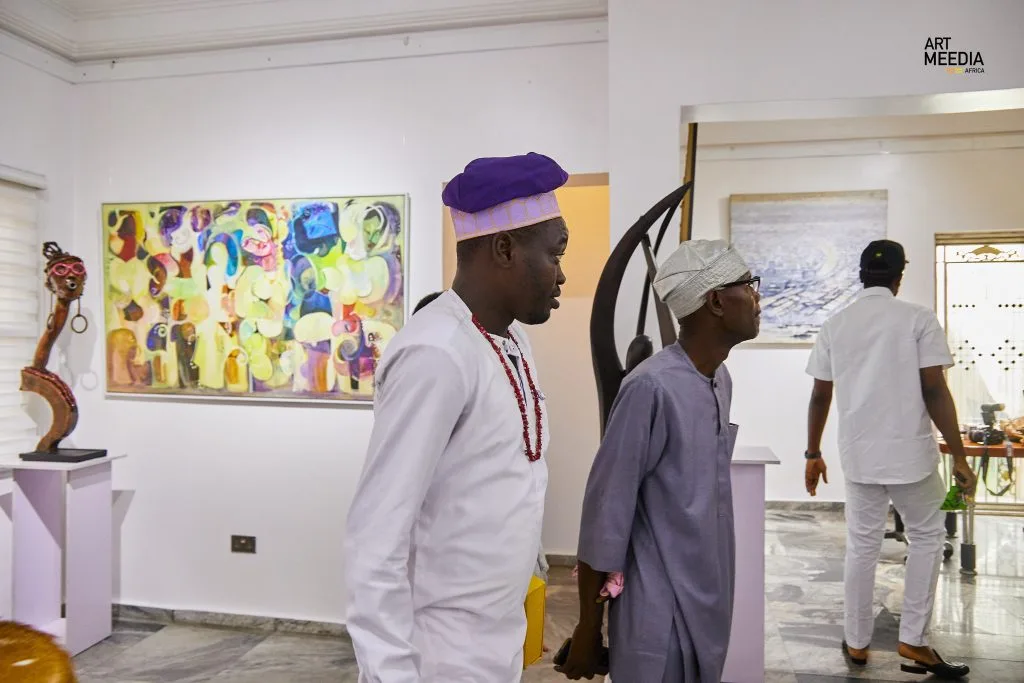
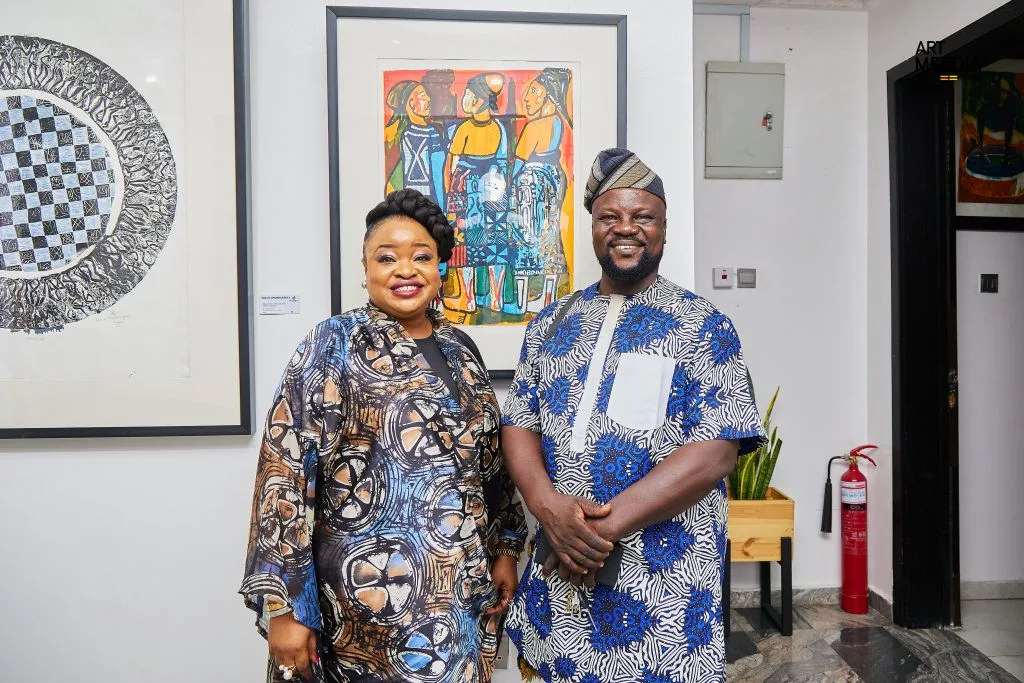
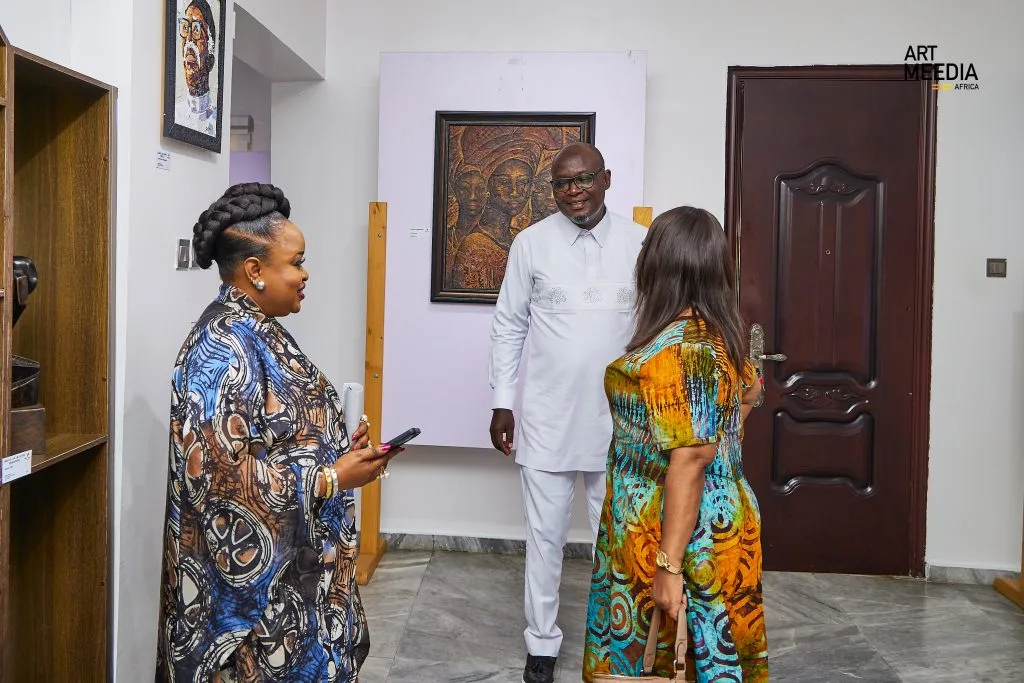
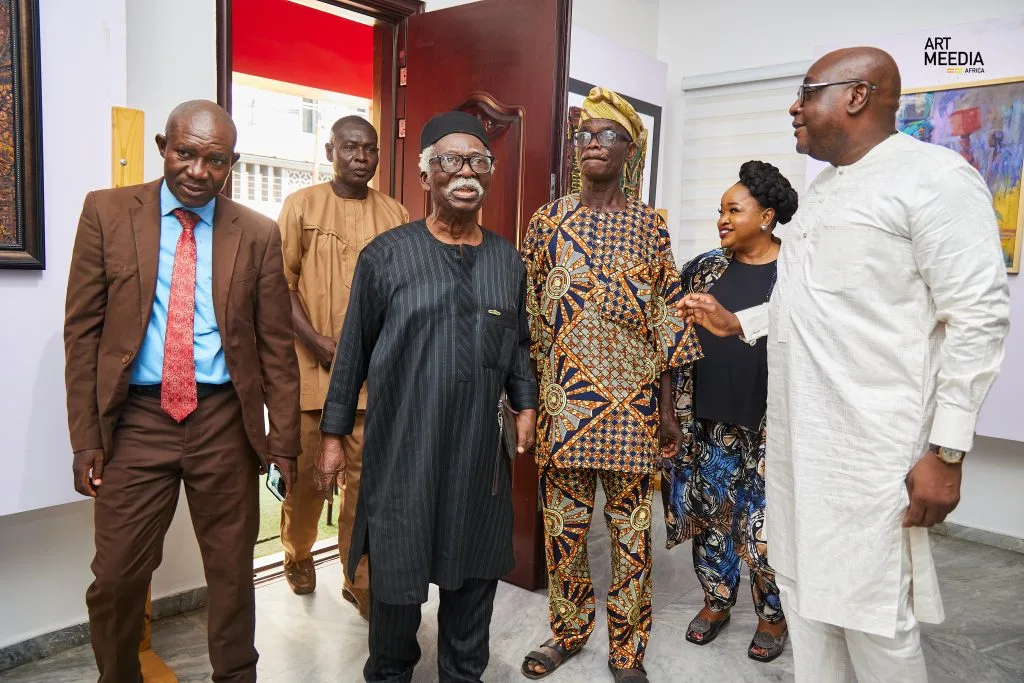
Ambience Shots
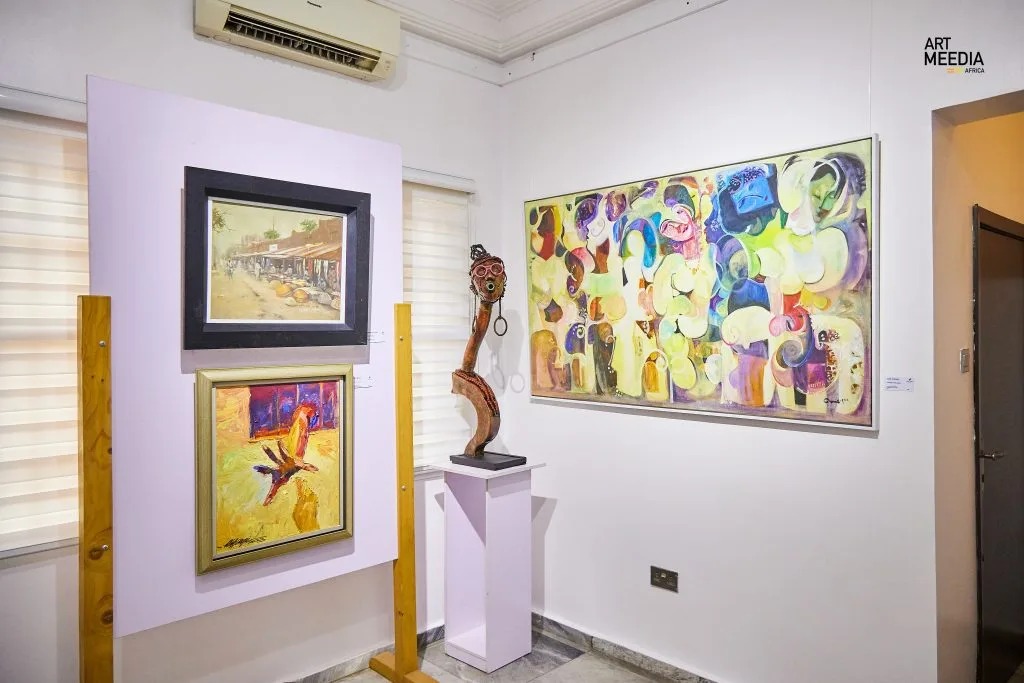
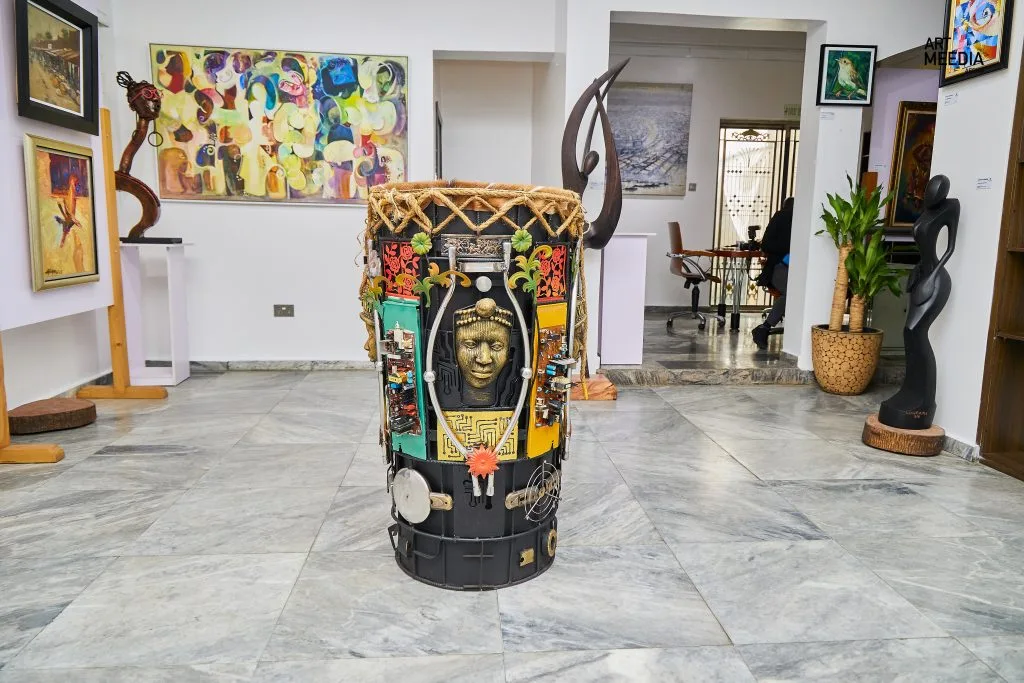


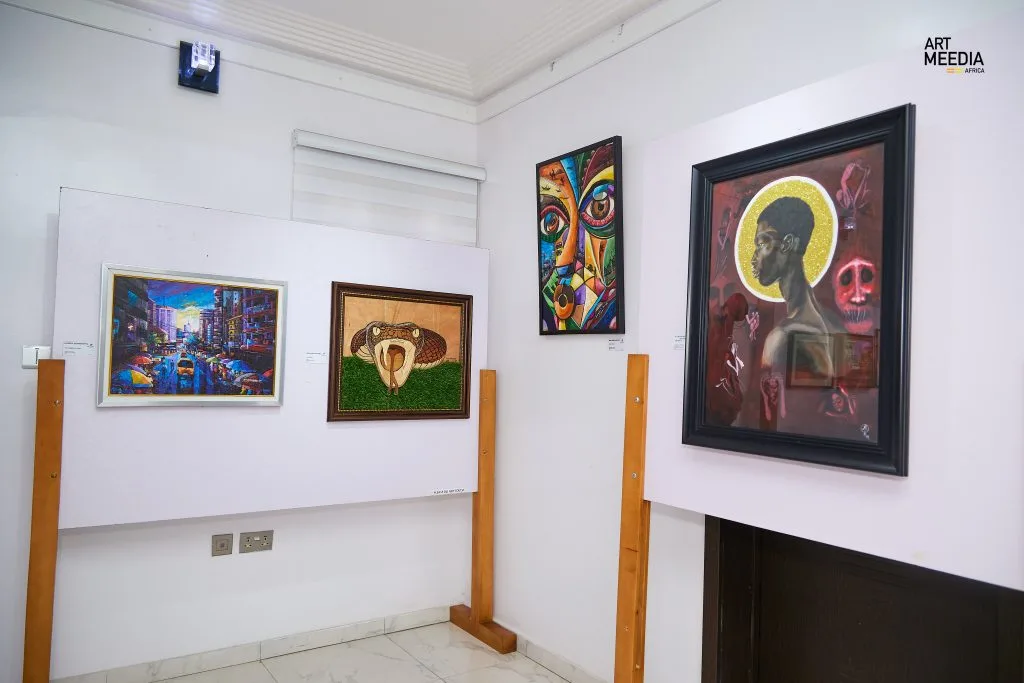


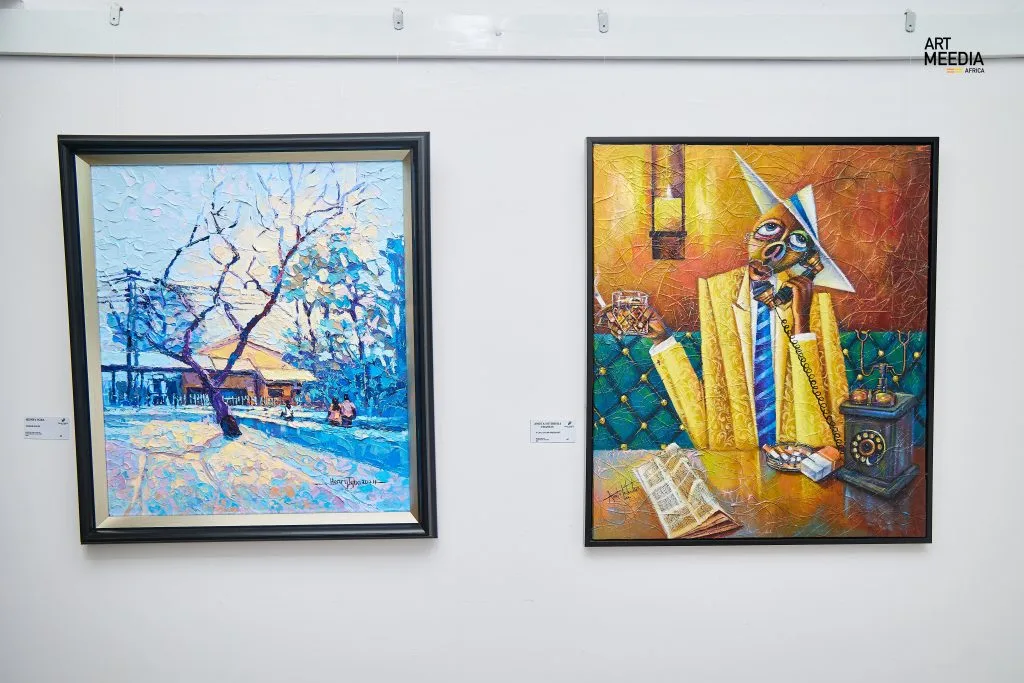

Exhibition Shots