Artist
Abayomi barber
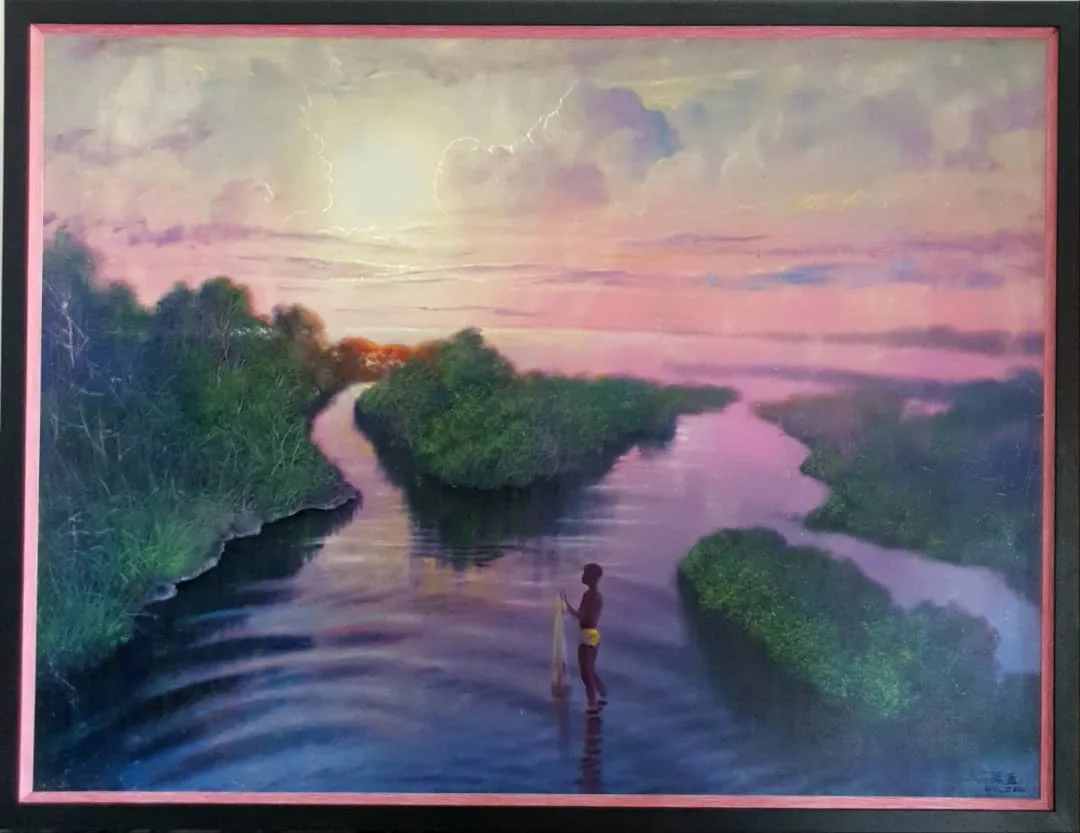
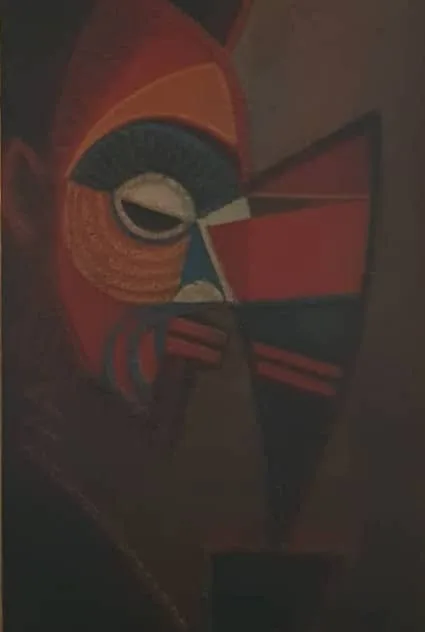
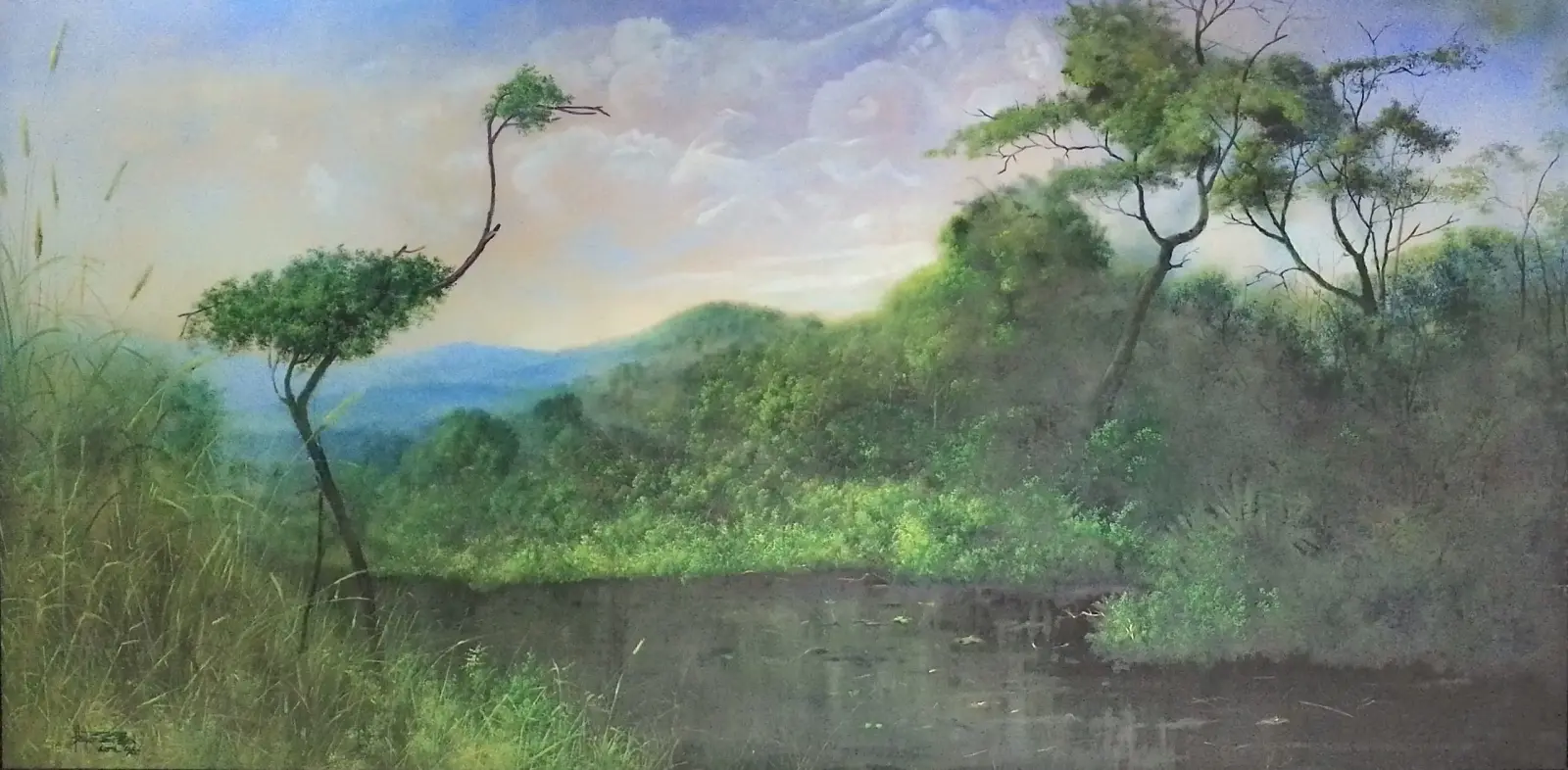
1928 – 2021Abayomi Adebayo Barber was a distinguished Nigerian contemporary artist and the founder and mentor of the Abayomi Barber Art School in Lagos. He was recognised for his use of naturalism and surrealism, and for his contribution to the development of modern Nigerian art.
Born on 23 October 1928 in Ile-Ife, Osun State, Barber began his artistic career in the late 1940s. He gained early recognition in 1952 after winning the Lines Silver Cup for the best painting at the All Nigeria Festival of the Arts. He subsequently worked as a graphic artist and illustrator in Lagos and studied sculpture at Yaba College of Technology under British sculptor Paul Mount.
In 1960, Barber travelled to London on a regional government scholarship to study at the Central School of Arts and Crafts, focusing on the preservation and restoration of antiquities. During his time in London, he further developed his skills in casting and moulding and worked in the studios of artists including Edward Delaney and Oscar Nemon, assisting Nemon on sculptures of Winston Churchill. He also worked as an assistant at the British Museum.
Barber returned to Nigeria in 1971 and joined the University of Lagos as an arts fellow at the School of African and Asian Studies. In 1972, he was commissioned to paint a portrait of Ethiopian leader Haile Selassie. The following year, he began an informal training school in his studio, which developed into the Abayomi Barber Art School, influencing a generation of Nigerian artists.
Among his notable works are life-sized busts of former Nigerian Head of State Murtala Mohammed and the former Ooni of Ife, Oba Adesoji Aderemi, as well as a portrait of Shehu Shagari. His sculptures of Ali Maigoro and Yemoja are also held by the National Gallery of Modern Art.
Barber held his first solo exhibition, Abayomi Barber: A Retrospective, in 1989. Through his distinctive approach to naturalism, surrealism, sculpture and portraiture, he established a significant artistic legacy within Nigerian modern art and through the school of artists that emerged around his practice.